LIGHTS OUT!
SHELTERING IN PLACE
Essential Items for a Three-Day Power Outage at Home
Introduction
A power outage lasting three days can be caused by severe weather, natural disasters, equipment failure, grid overload, or even planned rolling blackouts resulting from longer-term power supply shortages. Prolonged blackouts pose risks to safety, comfort, communication, and health. According to guidance from agencies such as FEMA, the U.S. Department of Homeland Security, the Canadian Red Cross, and other emergency management authorities, thorough preparation is vital. Below, you’ll find comprehensive steps and a detailed checklist to help you prepare for and safely manage a 3-day power outage.
Heat Survival
- Know how to stay cool in extreme heat, even when the power is out.
- Find places with air conditioning that you can go to. Find shade,
- Wet your skin with water, avoid high-energy activities, and wear lightweight, light-colored, loose-fitting clothing.
- 1 gallon of water is needed per person, per day. Do the math and plan on three days. (Or fill up all the Stanleys you have in the house) In Montana, my mom would fill up the bathtub.
- Remember, toilets won’t flush without water, and some city water supplies are electric-driven, as is sewer.
- Special consideration must be given to infants, toddlers, and young children. Their bodies often do not regulate temperature well. They cannot be depended upon to tell you they need water or that they are overheated. Watch them drink, don’t assume.
Special Circumstances
Some individuals are dependent on medical devices, medicines, and external helps such as oxygen. Consider carefully how you will reliably refrigerate medicines, power, and source medical equipment. Run on the top end of your tank, always have a spare, consider the benefit of purchasing an electric cooler, and how you will power that and other equipment.
After/During Outage
- After an outage starts, consider unplugging electronics that might be damaged by a power surge when electricity is restored (Think surge protector)
- Stay Informed: Use a battery-powered or hand-crank radio to receive emergency updates.
- Conserve Power: Use flashlights instead of candles to reduce fire risk. Turn off all electrical equipment except one light to signal restoration.
- Stay Warm or Cool: Layer clothing to stay warm in winter. In hot weather, stay hydrated and move to the lowest, coolest part of your home.
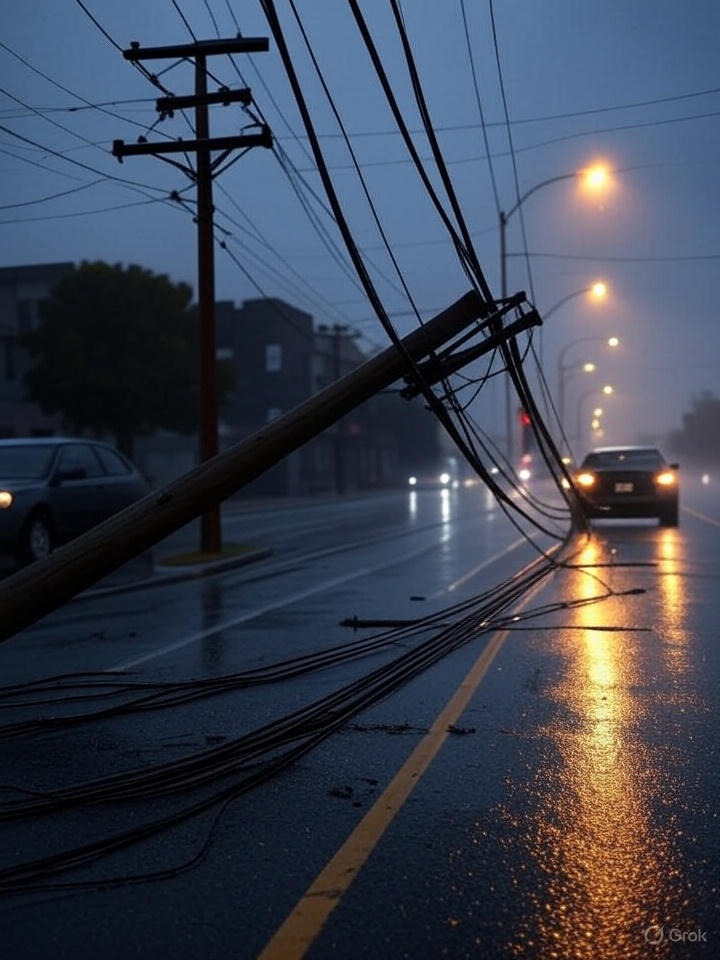
- Stay Safe: Avoid downed power lines, and report hazards to authorities. Do not use grills, camp stoves, or generators indoors.
- Limit Travel: Only travel if necessary. Traffic lights and infrastructure may be affected.
- Check on Neighbors: Especially elderly, disabled, or isolated individuals.
- Mental Wellbeing: Keep morale up with books, games, or conversation. Stress can mount during extended outages.
Refrigerators and Freezers
- Your refrigerator should remain cold at 40°F for four hours (try not to open it a lot)
- Use a thermometer in the fridge and mark the time when it dips below 40°. Food left at 40° for longer than two hours should not be consumed
- A fully stocked freezer, where all items are frozen, should last 48 hours, assuming you leave it closed
- If your freezer isn’t full, you could stock it with water bottles in advance. This will likewise extend the time food remains frozen
- How do you know if your food has defrosted, then just frozen again with the return of power? Place a small cup filled with water in the freezer. Once frozen, place a penny on top of the frozen liquid. If you open the fridge and your penny is frozen at the bottom of the cup, you have your answer.
- When in doubt, throw it out
- A generator is not required, but a small Honda or equivalent will keep the fridge and freezer from spoiling
- Check for operability
- Maintain 5-10 gallons of gas, safely packaged and stored